Dubai's residential villa stock built between 2000 and 2010 — The Springs, Meadows, Arabian Ranches Phase 1, Emirates Hills, Jumeirah Islands, and similar communities — used PPR (polypropylene random copolymer) piping as the standard installation. PPR is a good material: resistant to corrosion, smooth-bore, and rated for hot water use. Its design life under normal conditions is 20–25 years. Those villas are now 15–25 years old. The pipe life clock is ticking.
This doesn't mean your pipes are about to fail. It means the risk profile has changed, and knowing the warning signs allows you to act before a small issue becomes a burst pipe and a multi-floor insurance claim.
Sign 1: Discoloured Water
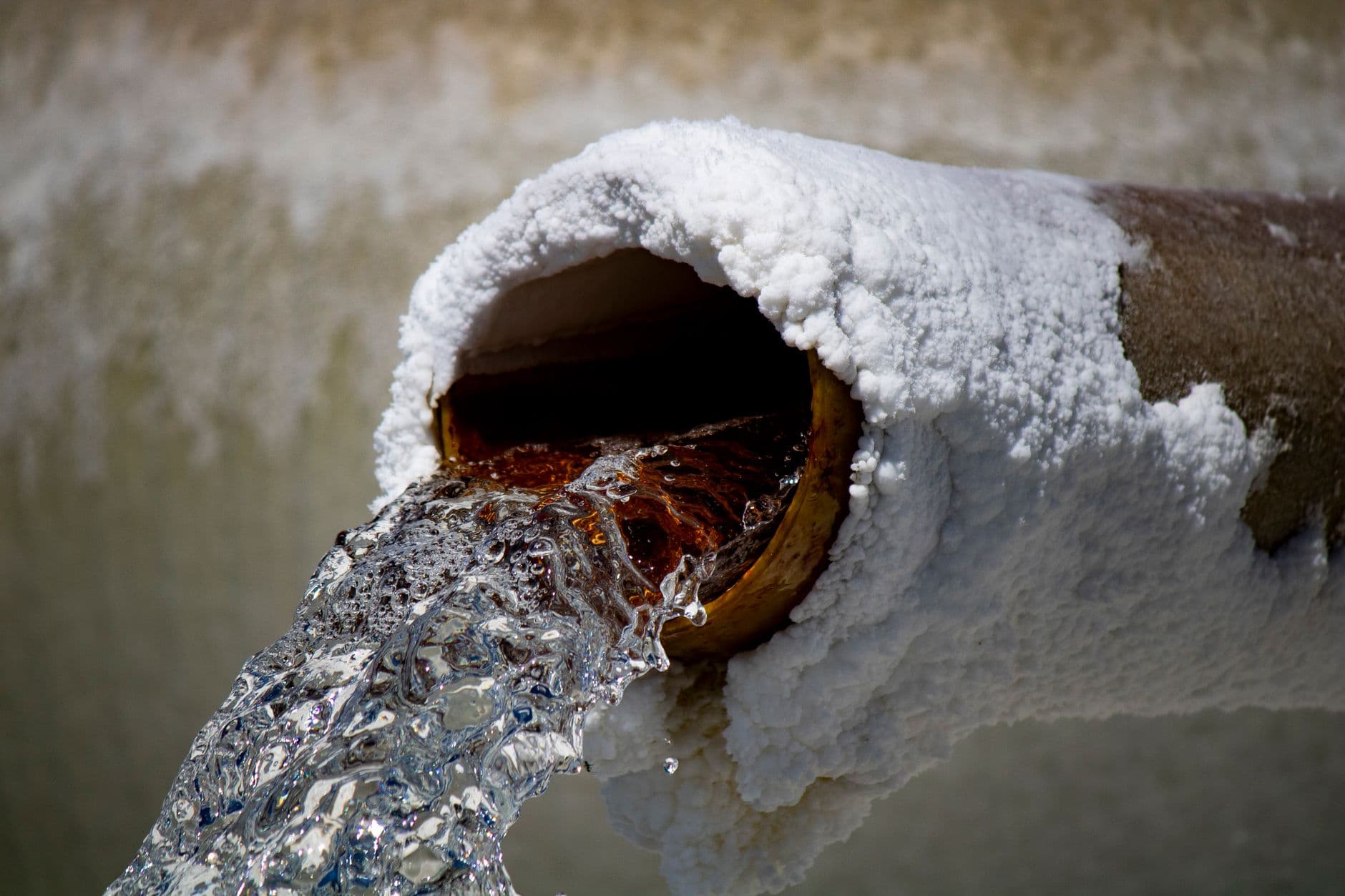
Brown or rust-tinted water — particularly pronounced when you first turn on a tap after a period of non-use — is a sign that something is corroding somewhere in your supply system. In older villas that had galvanised steel service connections (these were used alongside PPR in some early 2000s builds), internal corrosion produces rust particles that discolour the water. In PPR systems, discolouration more often indicates tank sediment (covered separately) or a deteriorating joint. Either way, it requires investigation.
Sign 2: Unexplained DEWA Water Bill Spikes
If your water consumption on your DEWA bill has increased noticeably without a change in household behaviour, there's likely a slow leak somewhere in the system. The most diagnostic test: turn off all water use in the property (all taps, appliances, and irrigation) and check whether your DEWA water meter reading is moving. If the meter moves with all supply points closed, water is escaping somewhere inside your walls or under your slab.
Concealed PPR leaks in walls are typically slow at first — a failed elbow joint or a hairline crack at a solvent-weld point seeps rather than gushes. The water saturates the surrounding concrete or block and wicks into the surface, appearing as a damp patch weeks after the leak first started.
Sign 3: Inconsistent Water Pressure
If pressure is noticeably lower in one bathroom or one part of the villa — while the rest of the property is fine — this suggests a partial blockage or leak in the branch serving that area. Scale accumulation in older galvanised steel sections, or a partially collapsed joint in a PPR fitting, both restrict flow without stopping it completely. Full-building low pressure usually points to the water pump or the main supply; localised low pressure points to the distribution branch.
Sign 4: Damp Patches on Walls Not Near Windows
Damp patches on interior walls are significant. Dubai is dry enough that ambient moisture rarely causes wall dampness — if you see it, something is producing moisture inside the wall. The most common sources in older villas are: a slow pipe leak (supply pipe), a failed drain connection (waste pipe), or a failing waterproof membrane under an upstairs bathroom (covered in our waterproofing article). A damp patch that appears, disappears, and reappears is almost always a pipe leak — it appears when the pressure builds sufficient moisture to penetrate the plaster, then the surrounding material absorbs it, then it appears again.
Sign 5: Water Heater Noise or Sediment
A water heater that makes loud banging, rumbling, or popping sounds — particularly when heating — is telling you that sediment has accumulated at the base of the tank. Dubai's mains water is moderately hard, and over years of operation, calcium and magnesium deposits build up on the heating element and base of the tank. This is both an efficiency issue (the element works harder to heat water through insulating scale) and a warning sign about the condition of your wider hot water system. Sediment in the heater often correlates with scale in the hot water pipes. If your heater is over 8–10 years old, a flush or replacement is worth considering.
What a Plumbing Inspection Involves
A professional plumbing inspection for an older villa involves: a pressure test on the hot and cold circuits to identify leaks, visual inspection of all accessible pipe runs and joints, inspection of the water heater and pressure-reducing valve, and a check of the main isolation valves (which often seize in older properties). The inspection cost is typically AED 300–500 and is worthwhile as preventive insurance for a villa in the 15–25 year age bracket.
If a concealed leak is confirmed, repair options range from targeted pipe rerouting (avoiding the affected section without breaking walls) to partial or full repipe of the affected circuit. We always advise on the least invasive option first.